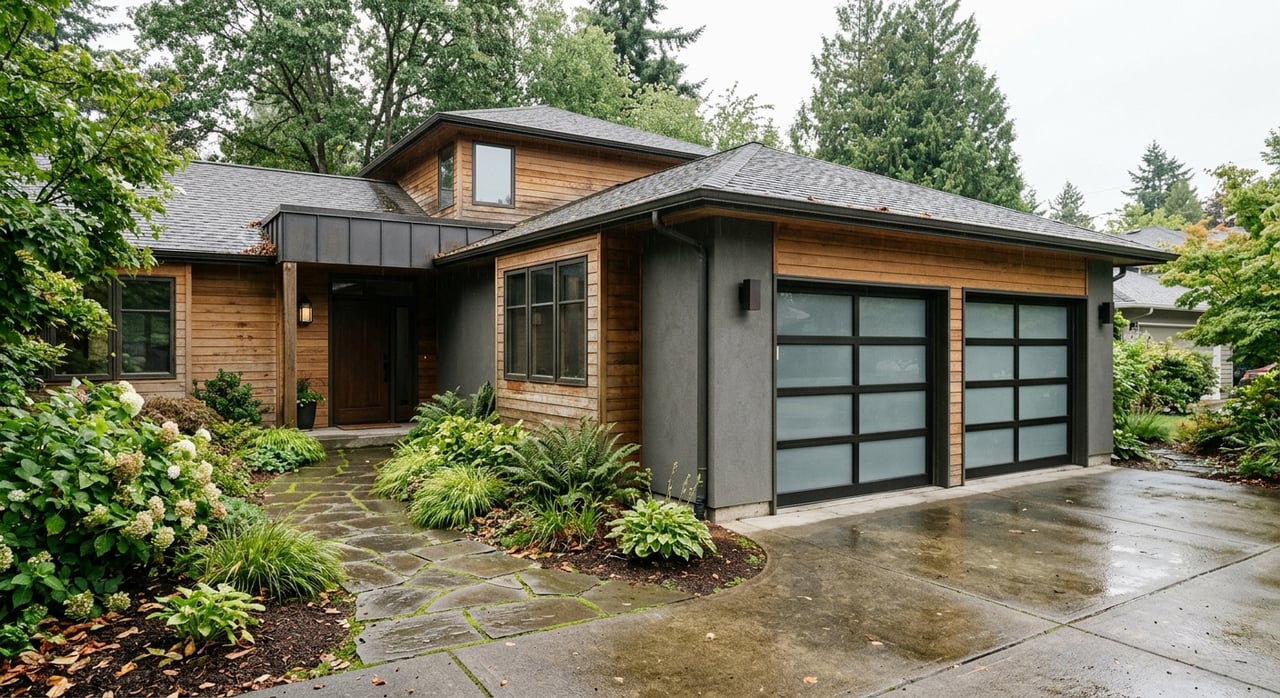
If you need to sell a distressed property in Federal Way, you may feel stuck between bad choices. Maybe the home needs work, money is tight, or a deadline is closing in. The good news is that you usually have more than one path forward, and the right one depends on your timeline, the home’s condition, and how much uncertainty you can tolerate. Let’s break down your options so you can choose a clear next step.
What counts as a distressed property?
A distressed property is usually a home with serious deferred maintenance, title or timeline pressure, or financial stress tied to the sale. In real life, that can look like inherited homes, houses with major repair needs, properties facing foreclosure pressure, or homes that have become too costly or difficult to maintain.
In Federal Way, the decision is not just about price. You also need to think about disclosure rules, possible repair permits, buyer financing limits, and how quickly you need the sale to close.
Washington rules still matter
Even if you sell a home as-is, Washington generally still requires a completed seller disclosure statement for most improved residential sales. That form is not a warranty, but it is still a required part of the process, and buyers generally have three business days after delivery to rescind unless that right is waived.
If the property was built before 1978, federal lead-based paint disclosure rules also apply. In King County, real estate excise tax must be paid before the conveyance is recorded, so that cost needs to be part of your net-proceeds calculation from the start.
Option 1: List the home as-is
When as-is makes sense
Listing as-is can work well when the home is still marketable and you have time to let the property reach the open market. This option often fits sellers dealing with cosmetic issues or moderate deferred maintenance rather than major defects that could block financing.
If the home is broadly financeable, your buyer pool may stay wider. That can give you a better shot at stronger competition and a better final price than a faster off-market sale.
What buyers may expect
Even with an as-is sale, buyers may still order inspections and ask for repairs or credits. If major defects show up during inspection or appraisal, a lender may require repairs before closing or require funds to be set aside for those repairs.
That means as-is does not always mean simple. You may still face negotiations, delays, or buyer concerns if the property condition raises red flags.
Best fit for as-is
This path is often best if:
- The home has mostly cosmetic issues
- You can wait for market exposure
- You want to test for the highest possible price
- The property is still likely to qualify for buyer financing
Option 2: Make targeted repairs first
Why targeted repairs can help
Sometimes a few strategic fixes can make a distressed property much easier to sell. Problems like roof leaks, active water intrusion, unsafe electrical issues, plumbing failures, or missing heat can affect whether a buyer’s loan can close.
Fixing a short list of major issues may widen your buyer pool, especially if it makes the home more workable for buyers using common loan programs. More buyers can mean more offers and less negotiation friction.
Federal Way permit issues to consider
In Federal Way, repair planning matters because many improvements require permits. The city notes that finish work such as painting, carpeting, cabinets, and countertops is often exempt, but many other repairs are not, and work in critical areas is never exempt.
That means you should separate true cosmetic work from repairs that may need permits, inspections, or licensed contractors. A repair plan that looks simple at first can become slower and more expensive if permit requirements are involved.
Trade-offs of repairing first
Targeted repairs can improve marketability, but they also cost time and cash upfront. You also have to manage contractors, scheduling, and the possibility that the work does not increase your net proceeds enough to justify the investment.
There is also appraisal risk. If the home still appraises below the contract price after repairs, you may end up renegotiating anyway.
Best fit for targeted repairs
This path is often best if:
- A few repairs could remove financing roadblocks
- You have some time before you need to close
- You have funds available for pre-sale work
- You want to attract a broader group of buyers
Option 3: Accept a direct cash offer
Why sellers choose cash
A direct cash offer is usually about speed, certainty, and fewer moving parts. When a buyer is not borrowing money, you usually avoid lender appraisal and underwriting steps that often slow down or derail distressed sales.
Consumer guidance notes that cash sales can close in as little as two weeks. For sellers under pressure, that shorter timeline can be a major advantage.
What you may give up
The trade-off is that cash buyers often price in repairs, risk, and their own margin. In many cases, that means the offer may be lower than what you might achieve with full market exposure.
Still, for many distressed-property owners, the real comparison is not just sale price. It is net certainty after holding costs, repair costs, tax, and the risk of a financed deal falling apart.
Cash does not remove all obligations
A cash sale can remove lender-driven appraisal issues, but it does not erase disclosure duties. You still need to handle Washington disclosure requirements, and if the property was built before 1978, lead-based paint disclosures still apply.
King County real estate excise tax also still needs to be handled before recording. So while cash may simplify the deal, it does not eliminate the legal steps tied to the sale.
Best fit for cash
This path is often best if:
- You need to sell quickly
- The home may trigger lender repair conditions
- You want to avoid major repairs before selling
- Carrying costs and uncertainty are becoming too expensive
Inspections and appraisals are not the same
One reason distressed sales get confusing is that inspections and appraisals do different jobs. An inspection focuses on the home’s physical condition, while an appraisal is an independent opinion of value that lenders generally require when a buyer is financing the purchase.
With a financed buyer, both can affect your outcome. An inspection can lead to repair requests, credits, renegotiation, or cancellation if the contract allows it. An appraisal can lead to a lower-price negotiation or lender-required repairs.
With a cash buyer, those lender-driven steps are usually reduced. But you still have to manage disclosures, title, and recording requirements.
How to choose the right path
Choose as-is if market exposure matters most
If the property is still reasonably marketable and you can afford some time on the market, listing as-is may give you the best chance to maximize price. This option tends to work best when the home’s problems are more visible than severe.
Choose repairs if a few fixes change everything
If several clear issues are blocking financing or buyer confidence, targeted repairs may produce a better result. This strategy works best when the repair list is focused and the likely payoff is broader buyer demand.
Choose cash if certainty matters most
If you are dealing with foreclosure pressure, inherited property stress, major repair uncertainty, or a tight timeline, a direct cash offer may be the cleanest solution. In Washington, sellers under foreclosure pressure may also have support through the Foreclosure Fairness Program, which offers counseling, legal aid, and mediation. Trustee-sale notice is at least 120 days, which can create an important but limited window to act.
A practical Federal Way decision rule
If you want a simple framework, use this:
- List as-is when the home is still marketable and you can wait
- Make targeted repairs when a few fixes could unlock more buyers
- Accept cash when speed, certainty, and less friction matter most
That decision usually comes down to your timeline, your available cash, the home’s true condition, and how much risk you are willing to carry during the sale process.
If you are weighing these options in Federal Way, the most helpful next step is usually a side-by-side review of likely net proceeds, repair costs, timing, and buyer risk. That gives you a clearer answer than focusing on headline price alone.
Whether you want to list traditionally or explore a fast cash sale, AMP Properties Group NW can help you compare your options and choose the path that fits your timeline and goals.
FAQs
What does selling a distressed property as-is mean in Federal Way?
- Selling as-is in Federal Way means you are offering the home in its current condition, but you still generally must provide Washington’s seller disclosure statement for most improved residential sales.
Do you have to disclose problems when selling a distressed home in Washington?
- Yes. Selling as-is does not remove Washington disclosure duties, and homes built before 1978 may also require federal lead-based paint disclosures.
Should you make repairs before selling a distressed property in Federal Way?
- You may want to if a few key repairs could remove financing obstacles, but many improvements in Federal Way require permits, so repair scope and timing should be reviewed carefully.
Is a cash offer better for a distressed property in Federal Way?
- A cash offer can be better if you need speed and certainty, especially when the home may not meet lender condition standards, but cash offers often trade some price for convenience.
How fast can a cash sale close on a distressed home?
- Consumer guidance notes that cash sales can close in as little as two weeks, although the exact timeline depends on title, paperwork, and the condition of the transaction.
What costs should Federal Way sellers include in net proceeds?
- You should account for selling costs including King County real estate excise tax, which must be paid before the conveyance is recorded, along with any repair, holding, and closing-related costs.
