If you like the idea of lowering your housing cost while building long-term wealth, house hacking in Everett may be worth a serious look. In a market where prices and mortgage rates still require careful planning, rental income from part of your home can help make ownership more workable. The key is knowing which strategies fit Everett’s rules, which numbers are realistic, and what to verify before you write an offer. Let’s dive in.
Why house hacking works in Everett
Everett still gives buyers a path to blend homeownership with income. According to Redfin’s Everett housing market data, the median sale price was $547,495 in February 2026, homes averaged about 49 days on market, and properties received around 3 offers on average. That points to an active market where good opportunities exist, but you still need a solid strategy.
On the rental side, Zillow’s Everett rent data shows average rent at $1,858 across all property types, with average 1-bedroom rent at $1,550 and 2-bedroom rent at $1,890. That matters because even one rented room, a basement setup, or a second unit can offset a meaningful share of your monthly payment.
Using Freddie Mac’s weekly average mortgage rate of 6.37% as of April 9, 2026, a buyer using Everett’s median sale price with a hypothetical 20% down payment would face a monthly principal-and-interest payment of about $2,731 before taxes, insurance, utilities, or maintenance. Based on current average rents, a 1-bedroom rent could cover about 57% of that payment, while a 2-bedroom rent could cover about 69%. That does not make the home free, but it shows why house hacking can materially change your monthly budget.
Best Everett house-hack strategies
Buy a duplex or two-unit property
One of the cleanest house-hack options is to buy a property with two legal units, live in one, and rent the other. This approach gives you clearer separation between your living space and your rental income, which many buyers prefer.
In Everett, the zoning details matter. Under Everett’s zoning code, duplexes and townhouses are allowed in R-S, R-1, R-2, and R-2(A) zones, but the standards vary by zone. In practical terms, you should not assume any residential lot can become a duplex or already qualifies for two-unit use just because it looks like it can.
For many buyers, the safest path is to focus first on an existing permitted duplex rather than a property you hope to convert later. That can reduce surprises tied to zoning, ownership structure, or owner-occupancy requirements.
Rent out rooms or take on a boarder
If a duplex is out of budget, renting part of a single-family home can still be a useful entry point. A spare bedroom, lower level, or separate living area may help offset costs while you stay in the home.
Financing can sometimes support this strategy more than buyers expect. Fannie Mae’s HomeReady program highlights supplemental boarder or rental income and offers down payments as low as 3% for qualifying borrowers. That does not mean roommate income always counts the way you want it to, but it does mean some loan programs are designed to consider it when properly documented.
If you plan to buy this way, ask your lender early how boarder or roommate income is handled. The goal is to build your purchase budget around verified lending guidelines, not hopeful math.
Convert a basement or attic to an ADU
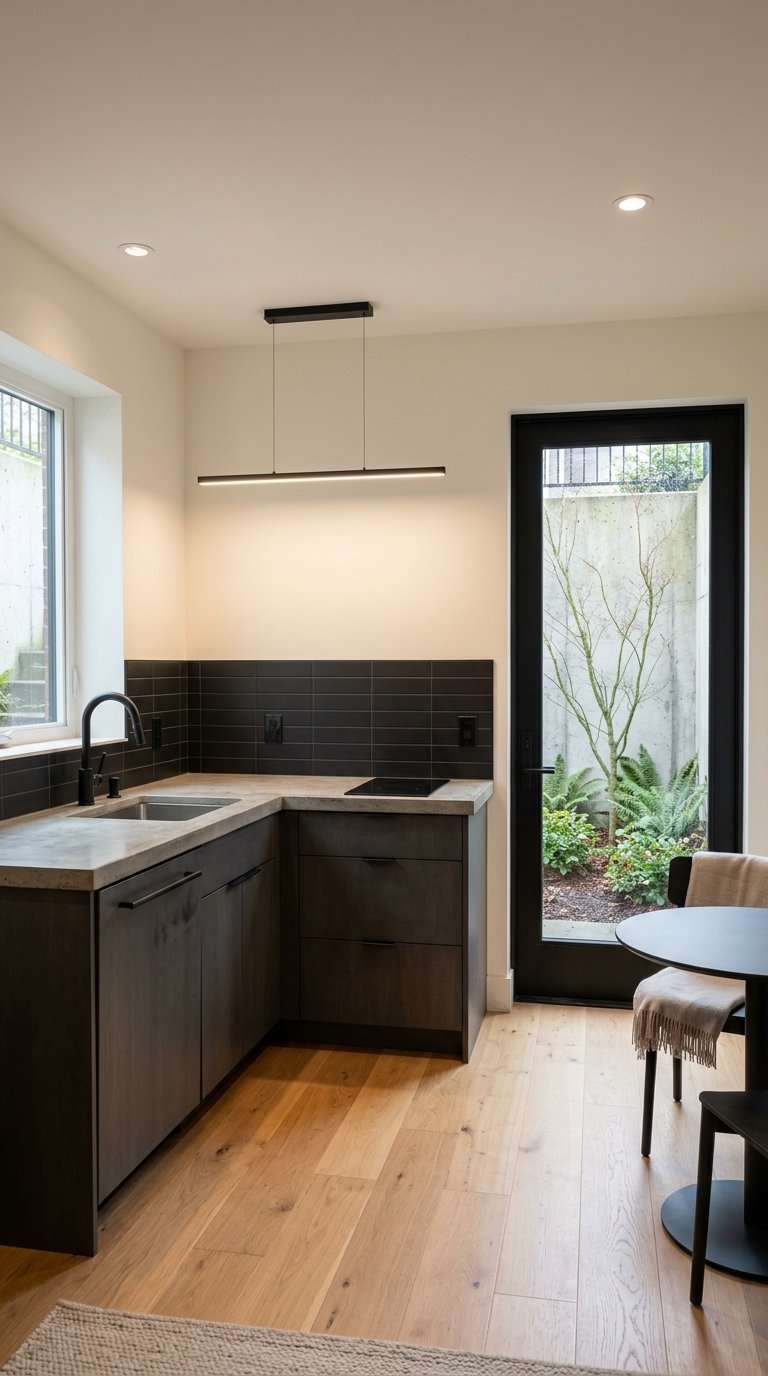
For Everett buyers, this may be one of the most interesting house-hack paths. The city defines an accessory dwelling unit, or ADU, as an interior habitable area that can include basements and attics, as long as it is under 1,000 square feet and subordinate to the main dwelling, according to Everett’s ADU ordinance language.
Even better, Everett’s ADU page says ADUs are allowed in all zones except Light Industrial and Heavy Industrial. The city also notes there is no minimum lot size for an ADU, and dwellings under 1,200 square feet require no off-street vehicle parking.
That opens the door for buyers who want to purchase a home with an unfinished basement, finished attic, or layout that could support a future internal conversion. Everett also states that when part of an existing building is converted into a dwelling and the changes are mostly internal, the project can be exempt from some site and building design requirements. In plain English, an internal conversion may be more realistic than building a detached unit from scratch.
Use short-term rentals carefully
Some buyers wonder if short-term rentals can be part of a house-hack plan. Everett does allow short-term rentals in a dwelling unit or ADU, but the rules are specific. Under Everett’s short-term rental code, operators need a city business license, are limited to two short-term rental sites per individual, group, or entity within the city, may not exceed eight guests on a site, and may not use identifying signs.
That means short-term rental income should be treated as a regulated option, not a default backup plan. If you are buying primarily for house hacking, long-term rental use or a standard owner-occupied setup is often simpler to underwrite and plan around.
Financing questions to ask early
House hacking often works best when you match the property type to the right loan conversation. The property may qualify one way on paper, but your income treatment can change based on whether the home has an existing ADU, multiple units, or just a rented room.
Fannie Mae’s rental income guidance says rental income may be acceptable for a one-unit principal residence with an existing ADU, a two- to four-unit principal residence where you occupy one unit, or a one- to four-unit investment property. Freddie Mac’s ADU guidance also notes that borrowers may be able to use ADU income to qualify on a 1-unit primary residence.
If the property needs work, Fannie Mae also notes that ADUs can be financed through standard purchase or refinance loans, HomeStyle Renovation, or Construction-to-Permanent financing. That gives buyers more than one path, especially if the right Everett home needs updates before it becomes income-producing.
You should also remember that mortgage quotes vary. While Freddie Mac publishes a national weekly average, Freddie Mac’s homebuyer rate guidance explains that lender pricing depends on credit, loan structure, and market conditions. Use online numbers as a starting point, then confirm what applies to you.
For buyers looking for extra support, the Washington State Housing Finance Commission highlights homebuyer education, specialized home loans, down payment assistance, and energy incentives through participating lenders. If you are trying to buy your first Everett property and keep cash reserves intact, that is worth discussing with your lender.
What to verify before making an offer
The difference between a smart house hack and a costly mistake often comes down to due diligence. In Everett, that means verifying legal use, permit history, zoning, and utility setup before you fall in love with the layout.
A good checklist includes:
- Whether the property already has a legal second unit or only the potential for one
- Whether the parcel’s zoning supports your intended use
- Whether an ADU conversion would need permit review and approval
- Whether the property has the utility capacity needed for another dwelling unit
- Whether condo ownership, historic overlay review, or other site-specific issues apply
That last point matters more than many buyers realize. Everett says each residential dwelling unit requires a separate metered service, and the city also outlines side-sewer and utility connection requirements in its updated code materials. A basement conversion that looks simple on a showing can still involve real infrastructure costs.
It also helps to work from current information. Everett’s development rules were updated by Ordinance 4102-25, effective July 8, 2025, according to the city’s code update notice. In a market like this, current city pages and current code references are far more useful than old blog posts or outdated listing remarks.
What properties are most promising
In today’s Everett market, the most promising house-hack opportunities are usually the simplest ones to verify and finance. In many cases, that means one of three property types.
Existing permitted duplexes
These properties can offer the most direct path to live-in investing. You move into one unit, rent the other, and avoid guessing whether a future conversion will be approved.
Homes with basement or attic ADU potential
A home with the right internal layout may create room for future rental income without requiring a detached build. Because Everett specifically recognizes basements and attics within its ADU framework, these homes deserve a close look when the layout supports privacy and code compliance.
Parcels with clearly supportive zoning
If you are considering a conversion or redevelopment path, zoning should be one of the first filters in your home search. That can help you avoid spending time on homes that look promising but do not fit Everett’s actual code requirements.
A practical way to think about house hacking
House hacking is not about squeezing every dollar out of your home. It is about creating a smarter ownership structure that lowers your monthly cost, improves flexibility, and gives you a potential stepping stone into future investing.
In Everett, that could look like buying a duplex, purchasing a home with a rentable lower level, or choosing a property with legitimate ADU potential. The best option depends on your budget, financing, comfort level with tenants, and how much project work you are willing to take on.
If you want help finding Everett properties that fit a live-in investment strategy, AMP Properties Group NW can help you evaluate listings, flag red flags early, and focus on opportunities that match your goals.
FAQs
What is house hacking in Everett real estate?
- House hacking in Everett usually means buying a home, living in it as your primary residence, and renting out part of it, such as another unit, an ADU, or one or more bedrooms, to offset your housing costs.
Can you buy a duplex in Everett and live in one unit?
- Yes, but Everett’s zoning rules vary by zone, so you should verify that the property is a legal duplex and confirm any owner-occupancy or ownership-structure requirements before you buy.
Can a basement become an ADU in Everett?
- Potentially, yes. Everett’s ADU rules say an accessory dwelling unit can include interior habitable space such as a basement or attic, subject to permit review and code requirements.
Does Everett allow short-term rentals for house hacking?
- Yes, Everett allows short-term rentals in a dwelling unit or ADU, but operators need a city business license and must follow limits on sites, guests, and other operating rules.
Can rental income help you qualify for an Everett house-hack property?
- In some cases, yes. Fannie Mae and Freddie Mac both allow certain forms of rental or ADU income depending on the property type, occupancy, and documentation, so you should ask your lender what counts for your situation.
What should you check before buying a house-hack property in Everett?
- You should verify legal unit status, zoning, permit needs, utility requirements, and any site-specific issues like condo approval or historic review before making an offer.
