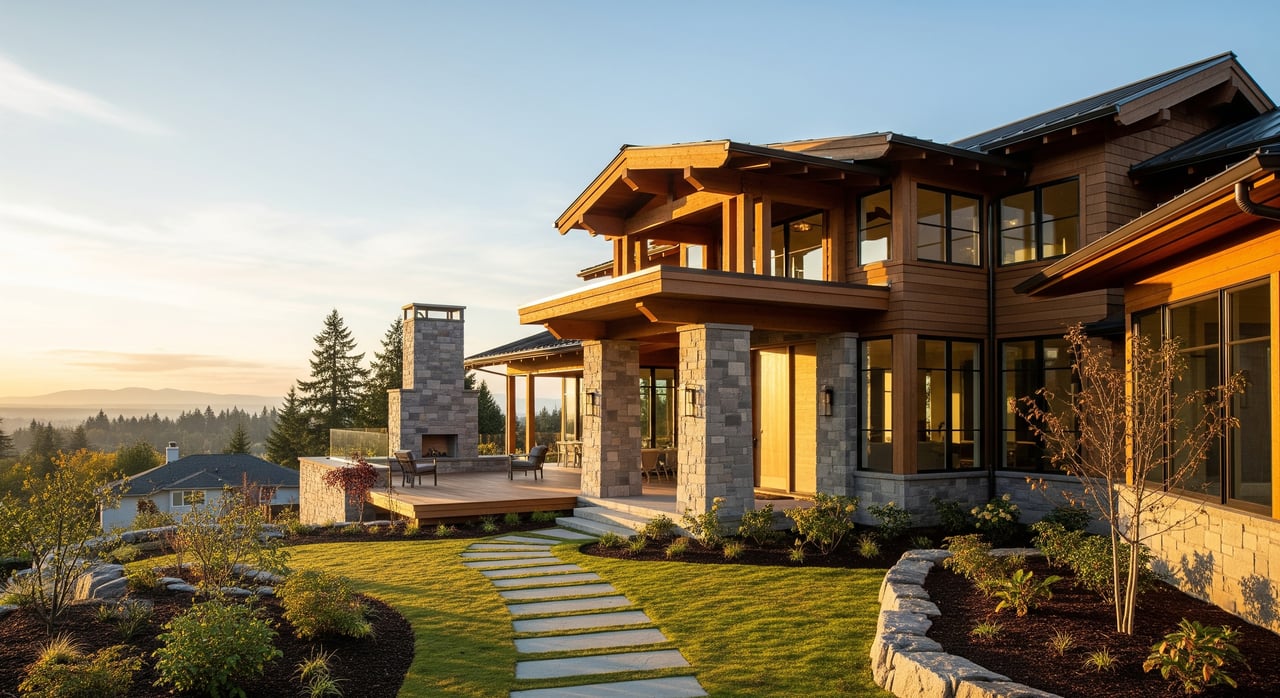
You work hard to price your home right or write a winning offer, only to hear one word that can stall everything: appraisal. In Kent, appraised value is shaped by local sales and very specific property details. That can feel confusing when you just want a clean path to closing. In this guide, you’ll learn exactly what affects value in Kent, what appraisers look for, and how you can prepare to protect your deal. Let’s dive in.
How an appraisal works in Kent
An appraisal is a licensed appraiser’s opinion of market value for a specific date. Lenders order it to confirm the collateral for your mortgage. It is not a home inspection and it is different from the county’s tax assessment used for property taxes.
For most single-family homes in Kent, the appraiser uses the Sales Comparison Approach. They compare your home to recent nearby closed sales and adjust for differences like square footage, bed and bath count, lot size, age, and condition. Cost and income methods are used when relevant, such as unique homes or properties with rental income.
Expect an interior and exterior walk-through. The appraiser will note room counts, finished square footage, visible defects, upgrades, mechanical systems, roof and siding condition, site features, and neighborhood context. They also look at permits. Permitted and well-documented work usually supports value better than unpermitted work. Appraisers follow Washington State licensing rules and USPAP standards.
The biggest value driver: comparable sales
Comparable closed sales are the backbone of your appraisal. Appraisers look for the most similar recent sales near the property. In changing markets, the timing of comps matters a lot. A sale from last month may carry more weight than one from last year.
In Kent, regional forces in the Seattle–Bellevue–Everett economy shape demand. Commute access to Seattle, Bellevue, Redmond, and Tukwila, along with Sounder commuter rail and highway routes like I-5 and SR 167, can influence which comps the appraiser selects. Seasonality also plays a role. Spring and summer often have more data points and stronger buyer activity, which can improve the comp set.
Property features that move the needle
Size and layout
Finished above-grade square footage, bedroom and bathroom count, and overall layout drive value. A well-laid-out home with adequate bathrooms and functional flow typically compares well to local sales. Odd layouts or limited bathrooms can subtract value compared to nearby homes.
Condition and maintenance
Newer systems, a solid roof, dry crawl spaces, and well-kept siding help. Deferred maintenance such as leaks, damaged exteriors, or unsafe conditions can lead to negative adjustments. Fix obvious issues before the appraisal to avoid preventable hits to value.
Permits and documented upgrades
Kitchen and bath remodels, quality flooring, and updated mechanicals can support a higher value when they are consistent with neighborhood norms. Appraisers tend to value permitted remodels more favorably. Keep receipts, permit numbers, and warranties on hand.
ADUs and rental potential
Permitted accessory dwelling units are becoming more common in King County. A legal ADU with proper access and quality finishes can increase value. The impact depends on neighborhood norms and the unit’s quality. Unpermitted conversions can cause lender issues and reduce value.
Lot, parking, views, and site factors
Usable lot area, level topography, and convenient parking matter to buyers and appraisers. Views and privacy can add value. Environmental flags such as flood zones, steep slopes, or soil issues can reduce value or complicate financing. In parts of Kent and King County, floodplain and slope hazard mapping is relevant during valuation.
Energy efficiency and systems
Energy-efficient features like heat pumps or solar can support higher value when documented. Ownership status, permits, and verified performance help the appraiser make supported adjustments.
Neighborhood and regulations that affect value
Transit and commute access in Kent
Access to the Sounder commuter rail, major bus lines, and corridors like I-5, SR 167, and SR 516 influences buyer demand. Properties closer to transit or with shorter commute times often compare against stronger comp sets. At the same time, proximity to busy roads or rail can introduce noise, which some buyers view negatively.
Zoning, ADUs, and redevelopment potential
Local zoning and ADU rules can influence highest and best use. In areas with permissive ADU policies, a permitted second unit can add utility and potential income. Appraisers consider legal use and compliance in their analysis.
Floodplains and slope hazards
If a property is in a FEMA floodplain or a known geologic hazard area, buyers may face insurance or lending requirements. Appraisers and lenders typically note these conditions, and they can impact value.
School district boundaries and HOAs
District boundaries and specific HOA or condo rules can shape buyer preferences and monthly costs. Appraisers account for these when selecting comps and making adjustments. Keep HOA dues and rule summaries handy for the appraiser.
Market timing, rates, and inventory
Appraisals reflect the market on the effective date. Rising mortgage rates can cool demand and push values down. Lower rates and tight inventory often support higher values. In the Seattle metro, Kent frequently follows regional cycles, so appraisers pay close attention to how fast conditions are changing and choose comps accordingly.
Common appraisal hiccups
- Limited comps for unique homes can force larger adjustments or use of the cost approach.
- Rapid market movement can make older comps less reliable, which sometimes results in conservative valuations.
- Different appraisers can reach different opinions based on data selection. Appraisals are professional opinions, not guarantees.
Seller checklist to support your appraisal
- Gather documentation. Permits for remodels, system upgrades, warranties, and a detailed list of improvements with dates and costs.
- Knock out repairs. Address leaks, damaged siding, safety issues, and any non-functioning systems before the visit.
- Improve curb appeal. Clean landscaping, fresh touch-ups, and a tidy interior help show overall care and condition.
- Share helpful comps. Provide a recent comparable sales package and a features list. The appraiser must do their own analysis, but credible data helps context.
- Verify permits. If major improvements were unpermitted, talk with your agent about options to legalize or disclose proactively.
- Align price with data. Pricing far above recent comps increases the risk of a low appraisal.
Buyer strategies if the appraisal comes in low
- Use an appraisal contingency when appropriate. It preserves options if value falls short.
- Renegotiate. Ask for a price reduction, seller credits, or bring additional cash to close if it fits your goals.
- Ask about a reconsideration or second opinion. Provide better comps or evidence of errors to the lender. Results vary.
- Know loan rules. Some loan programs, including FHA or VA, may require certain repairs before closing.
- Understand the math. A low appraisal can reduce your loan amount relative to the contract price.
Timeline, fees, and appraisal types
Most appraisals are scheduled within 1 to 2 weeks, depending on the lender’s panel and appraiser availability. Fees vary with property type and complexity. Ask your lender about expected costs and timelines.
Your loan program may allow a drive-by or desktop appraisal in some cases. These can be faster, but they rely more on public data and may be less precise than a full interior inspection.
Bottom line for Kent homeowners and buyers
In Kent, the appraisal is driven first by comparable sales, then by your home’s size, condition, legal improvements, site, and neighborhood context. Transit access, zoning, and environmental factors can shape the comp set and adjustments. If you prepare your documentation, make key repairs, and price in line with recent data, you set yourself up for a smoother path to closing.
If you want a local plan to support your appraisal, connect with the team that moves fast and knows South King County. Reach out to AMP Properties Group NW for a data-backed pricing strategy, buyer representation, or a fast cash-offer option when timing is critical.
FAQs
What is the most important factor in a Kent home appraisal?
- Recent comparable closed sales near the property are usually the biggest driver of appraised value.
How are appraisals different from the county assessor’s value in King County?
- The assessor’s value is for property taxes and uses mass appraisal methods, while a lender’s appraisal targets current market value for a specific transaction and date.
Who orders the appraisal in a financed Kent home purchase?
- The buyer’s lender orders the appraisal. Cash buyers may choose to order one for their own due diligence.
How much do upgrades and remodels add to value in Kent?
- Upgrades can increase value when they are permitted, well-documented, and in line with neighborhood norms. Kitchens, bathrooms, and mechanicals often have the clearest impact.
Do ADUs increase appraised value in Kent?
- A permitted ADU with quality finishes and proper access often adds value. The impact depends on local norms and the unit’s functionality.
What if my appraisal comes in low in a fast-changing market?
- You can request a reconsideration with better comps, renegotiate terms, or explore a second appraisal through your lender. Outcomes depend on the data and program rules.
