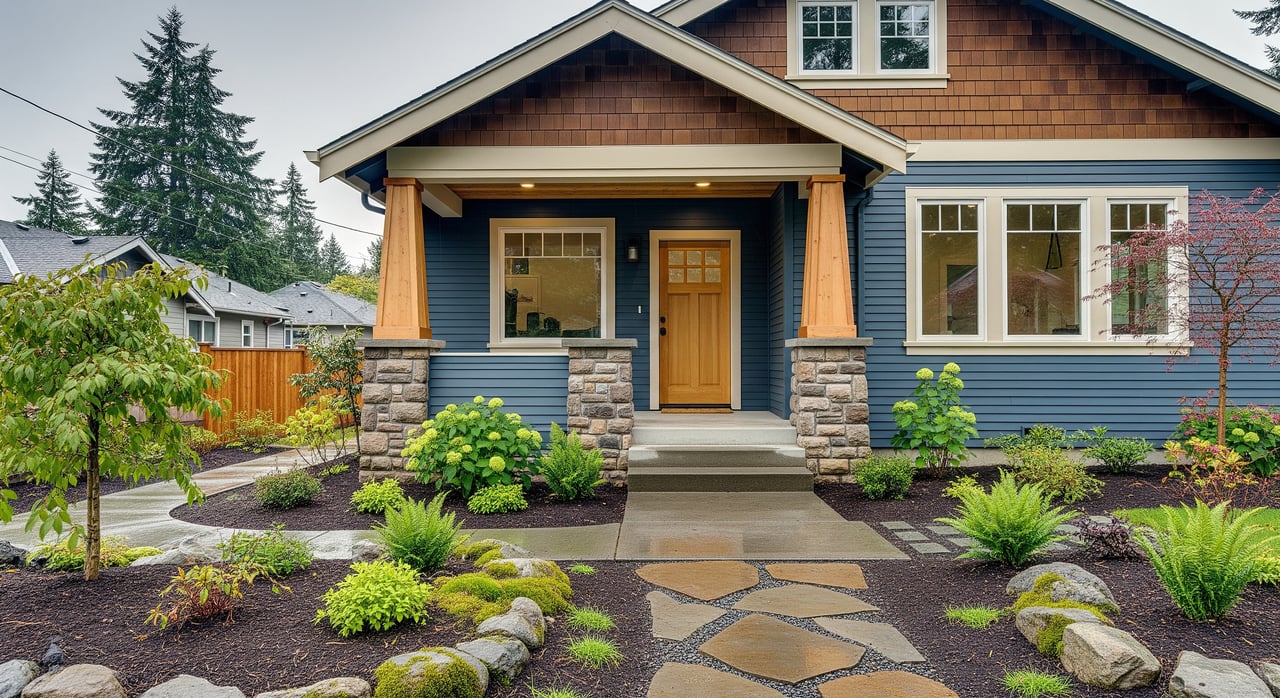
Buying your first home in Tacoma can feel big and exciting. You want something solid, in a neighborhood that fits your life, without stretching your budget. You also want to avoid surprises, from inspection issues to financing hiccups. This guide gives you a clear path. You’ll learn what a “starter home” looks like in Tacoma, where to focus your search, how to finance smart, and how to write an offer that wins without overreaching. Let’s dive in.
What “starter home” means in Tacoma
A starter home in Tacoma usually falls into three buckets: entry-level condos, small single-family homes like Craftsman bungalows or midcentury cottages, and townhomes or duplex units. Each offers different tradeoffs on price, space, and maintenance.
As of mid-2024, entry condos commonly sat in lower price tiers for the city, small detached homes often landed in a middle band, and townhomes typically priced between condos and detached houses. Market conditions change fast, so always review live MLS data before locking in your budget or expectations.
Commute and transit matter here. Proximity to I-5, SR-16, Sounder rail, and Pierce Transit strongly influences demand and future resale value. Homes near transit corridors and planned improvements tend to hold value more consistently.
Tacoma neighborhoods to watch
Choosing where to buy can shape your day-to-day life and long-term value. Consider these areas based on typical starter-home options and access:
- South Tacoma and South End. Often more affordable with convenient transit options.
- East Side and New Tacoma. Mix of older homes and modest single-family choices.
- Hilltop and Lower Tacoma. Older housing stock that may come with renovation needs. Evaluate safety, inspection findings, and project scope carefully.
- North End, including Proctor and North Tacoma. Walkable streets and limited starter inventory. Prices can run higher.
- Lakewood and nearby Pierce County pockets. Can offer lower prices. Factor commute time into your decision.
Focus on commute time, access to services, and your comfort with potential renovation work. Keep neighborhood evaluations neutral and fact-based, and use map tools to understand block-by-block differences.
Property types and tradeoffs
Each property type brings pros and cons. Align your choice with your budget, maintenance comfort, and long-term plans.
Condos and townhomes
- Pros: Lower exterior maintenance, predictable HOA fees, often newer systems.
- Cons: HOA rules and potential special assessments, limited control over exterior, condo-specific lending rules.
Small detached single-family homes
- Pros: Yard, parking, room to add value over time, potential for future expansion or an accessory unit.
- Cons: Older systems and possible deferred maintenance that raise annual costs.
Duplexes and homes with accessory units
- Pros: Rental income potential that can offset your mortgage.
- Cons: Landlord responsibilities, local tenant laws to follow, and often a higher list price.
Age and condition: what to expect
Many Tacoma homes were built before 1960. Plan for a thorough inspection and a realistic maintenance reserve.
Common items to evaluate:
- Lead-based paint in pre-1978 homes, older wiring like knob-and-tube, and galvanized or early copper plumbing.
- Roofs nearing end of life, aging windows, and older furnaces or water heaters.
- Moisture management, from grading and drainage to signs of wood rot or mold.
- Seismic risk. Older foundations may need anchoring or retrofits.
- Environmental checks. Review flood and slope maps where applicable, and consider radon testing.
Typical repair cost ranges vary, but you can use these order-of-magnitude examples to plan:
- Minor plumbing or electrical fixes: hundreds to a few thousand dollars.
- Roof replacement: mid-$5,000s to mid-$10,000s or more based on size and type.
- Furnace or AC replacement: about $3,000 to $8,000 or more.
- Foundation or structural work: $10,000 to $50,000 or more.
Budget 1 to 3 percent of the purchase price per year for maintenance, especially with older homes. A strong general inspection plus targeted add-ons, like a sewer scope for older plumbing, helps you avoid unwelcome surprises.
Finance your first home in Washington
You have several loan options as a first-time buyer. Compare terms with your lender to match your situation.
- FHA loans. As little as 3.5 percent down with flexible credit requirements, plus mortgage insurance. Condos must meet FHA approval rules.
- Conventional loans. Some first-time programs allow 3 percent down with private mortgage insurance based on credit, debt, and loan profile.
- VA loans. Zero down for eligible veterans and active-duty service members.
- USDA loans. Zero down in designated rural areas. Check maps to see what parts of Pierce County qualify.
Down payment assistance is available through the Washington State Housing Finance Commission. Programs often include deferred loans or grants for down payment and closing costs, along with homebuyer education. Local county or nonprofit options and some employer-backed benefits may also be available, but they change regularly. Verify eligibility and current limits.
Plan for upfront and ongoing costs:
- Upfront: down payment, earnest money, inspection and appraisal fees, plus closing costs that commonly run 2 to 5 percent of the purchase price.
- Ongoing: property taxes, homeowner’s insurance, HOA dues if applicable, utilities, and your maintenance reserve.
A full lender pre-approval is more powerful than a simple pre-qualification and will strengthen your offer.
Smart search and offer tactics in Tacoma
Approach your search with a clear plan, then stay flexible as the market shifts.
Search strategy:
- Start broad, then refine. Set a firm price ceiling, minimum bedrooms, and your property type. Be willing to drop nonessential items.
- Use maps to weigh commute corridors and avoid flood zones or steep-slope pockets.
- Set timely alerts. New listings can move fast.
- Tour multiple homes to calibrate what your budget buys in different neighborhoods.
Working with an agent:
- Choose a Pierce County agent who is active in NWMLS and experienced with first-time buyer financing and assistance programs.
- Lean on your agent for a comparative market analysis, early insights on listings, and referrals to vetted inspectors and contractors.
- Review representation agreements and fees so you understand how your agent is compensated.
Offer and negotiation playbook:
- Lead with a verified lender pre-approval and a clear, reasonable earnest money deposit.
- Keep an inspection contingency. In competitive moments, you can shorten timelines rather than waive rights. Use results to negotiate repairs or credits.
- Consider an escalation clause with a firm cap, and be cautious with appraisal gap coverage. Protect your financial safety net.
- Ask for seller concessions if price flexibility is tight. Timing your offer around listing cycles can also help.
Compete without overreaching:
- Know your absolute maximum and stick to it, including reserves for repairs and potential rate changes.
- Offer non-price wins like a flexible closing date or a short inspection window.
- Evaluate light fixer-uppers where you can add value with paint, landscaping, or a kitchen refresh.
Quick starter-home checklist
- Get full lender pre-approval and understand your total monthly payment, including taxes, insurance, and HOA if applicable.
- Pick 3 to 5 target neighborhoods and set map-based alerts.
- Define must-haves, nice-to-haves, and a firm price ceiling.
- Tour several homes to set realistic expectations.
- Hire a licensed inspector and plan a sewer scope for older plumbing.
- Review permits and property tax history with your agent.
- Submit a strong offer with pre-approval and an inspection contingency.
- Line up homeowners insurance and review HOA rules and financials if buying a condo or townhome.
When a fixer can be a win
If you want a lower entry price or long-term equity growth, a light fixer can make sense. Focus on projects with clear scope and strong return potential. Cosmetic upgrades like paint, minor kitchen and bath refreshes, and curb appeal often deliver outsize value compared to cost. For duplexes or homes with accessory-unit potential, rental income may offset your mortgage. Just be sure you are ready for landlord responsibilities and local regulations.
Ready to move fast?
Buying your first home is a big step, and the right team makes it smoother. You get local market guidance, smart negotiation, and a clear plan from search to keys in hand. If you want speed, clarity, and a partner who understands first-time buyers and investor-minded options, connect with AMP Properties Group NW. We are here to help you find the right starter home in Tacoma and win it with confidence.
FAQs
What can my budget buy in Tacoma right now?
- Inventory and pricing shift with season and rates. Compare active listings across condos, townhomes, and small single-family homes, and review live MLS market stats to target neighborhoods that match your budget.
Should I choose a condo or a small house as a first home?
- Condos offer lower exterior maintenance and predictable HOA costs, while small houses provide a yard and more control but often come with older systems and higher maintenance.
How much should I set aside for repairs and maintenance?
- Plan 1 to 3 percent of the purchase price per year, and use inspection findings to estimate near-term costs for items like roofs, HVAC, plumbing, or drainage.
What down payment help exists for first-time buyers in Washington?
- The Washington State Housing Finance Commission offers mortgage and down payment assistance programs with income and purchase limits. Local county or nonprofit options may also be available.
How can I make a competitive offer without overpaying?
- Lead with full pre-approval, set a firm price cap, keep an inspection contingency with a tight timeline, and consider non-price terms like flexible closing or seller credits.
