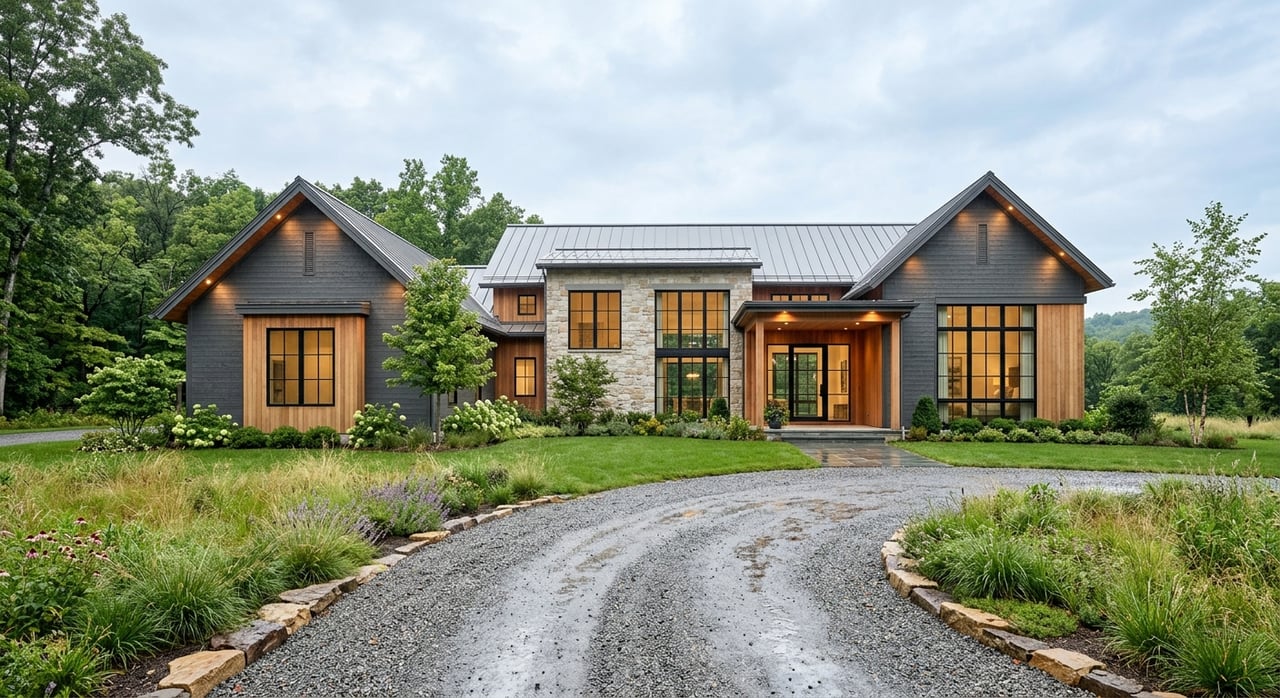
Wondering what day-to-day life in Puyallup actually feels like? That depends a lot on where you land. In one part of town, you can be near Pioneer Park, the library, and the Sounder station. In another, you may have more open space, a more spread-out layout, and stronger ties to the valley’s agricultural roots. If you are trying to picture your routine before you buy or sell, this guide will help you understand how Puyallup lives from downtown to farmland. Let’s dive in.
Puyallup’s daily rhythm
Puyallup sits in Pierce County about seven miles east of Tacoma and 35 miles south of Seattle. The city describes itself as a place with a historic downtown, a growing South Hill business district, freeway access, and commuter rail service.
That mix shapes everyday life in a practical way. You get a city with regional connections, but you also see strong agricultural roots and a more rural feel in parts of the broader area. Seasonal event traffic is also part of the local routine, especially because the Washington State Fair Event Center hosts five signature events each year, including the 20-day Washington State Fair.
Downtown Puyallup feels connected
Downtown is the most civic, compact part of Puyallup. City Hall is located across from Pioneer Park, which the city calls Puyallup’s town square. The public library is on South Meridian, and the Sounder station is at 131 W. Main Ave.
That setup matters if you want daily convenience. Downtown is not just a place you visit once in a while. It is a part of town where everyday errands, public services, and local outings can sit closer together.
Civic spots shape the routine
The library adds a lot to downtown’s practical appeal. According to the city, it offers free Wi-Fi, meeting rooms, study rooms, public computers, and programs and classes for all ages.
For many buyers, that helps define the area’s rhythm. You are not only near a historic core. You are near places people actually use throughout the week.
Older homes add character
Historic records help explain why downtown feels different from newer parts of the area. The city’s survey program identified 96 historic properties dating from 1888 to 1964.
The residential area immediately south of downtown is described as predominantly single-family, with many homes built in the first three decades of the 20th century and more construction from the 1930s through the 1950s. That often means an older streetscape, smaller lots, and housing with more varied architectural detail.
Home styles near downtown
If you are drawn to homes with established character, downtown-adjacent areas may stand out. The city’s historic inventory identifies styles such as:
- Craftsman
- Queen Anne Free Classic
- Bungalow
- Eclectic forms
- Colonial Revival-influenced homes
Commercial buildings were built primarily along Meridian Street and Pioneer, Main, and Stewart avenues. That helps explain why the core feels more compact and street-oriented than more spread-out parts of Puyallup.
South Hill and the urban edge feel different
As you move beyond downtown, the pattern changes. The city describes South Hill as a modern, growing business district, and planning documents show a broader mix of land uses around the urban edge.
Instead of one uniform suburban grid, the urban-growth area includes agriculture, open space, and low-density single-family housing. Nearby land-use designations include Rural Buffer Residential, Moderate Density Single Family, and Rural 10.
More space, fewer close-in errands
This planning pattern helps explain the lifestyle shift many people notice. In more outlying areas, homes can feel more spread out, with larger setbacks and more yard space.
In practical terms, that often means fewer walkable civic destinations and more driving for day-to-day errands. If your routine centers on space, parking, and getting around by car, this part of Puyallup may fit how you already live.
Farmland and open space still matter
Puyallup’s agricultural roots are not just part of its history. They are still visible in the broader landscape today.
Pierce County describes the Riverside area as having rural character and a strong agricultural presence. County farmland conservation efforts also note that an additional 200 acres of priority Puyallup Valley farmland have been protected in perpetuity.
Valley living has a distinct feel
Farmland-adjacent settings offer a different experience from the downtown core. The landscape can feel more open, with working land, drainage systems, and water-management features continuing to shape the area.
Pierce County materials for the Clear Creek and Puyallup River basin discuss agriculture, drainage, and floodplain management. For buyers, that is a reminder that the valley is not only scenic. It is also an active landscape with long-standing land and water considerations.
Commuting shapes everyday life
For many households, Puyallup living is defined as much by movement as by location. Commute patterns often revolve around SR 512, SR 167, bus service, and commuter rail.
The Washington State Department of Transportation says SR 512 is an important east-west link between Lakewood and Puyallup and notes that travelers often experience peak-commute delays. WSDOT also says the SR 167 corridor is served by Sounder commuter rail, transit buses, and high-occupancy toll lanes.
The Sounder station is a major asset
Puyallup Station supports a mixed commute style. Sound Transit lists the station at 131 W. Main Ave. and says it has 1,044 parking spaces.
Pierce Transit adds more regional connections. Route 400 connects Puyallup to downtown Tacoma, and Route 402 connects Puyallup Station and South Hill Mall to Federal Way Downtown Station.
Your location can change your routine
If you live closer to downtown, your routine may line up better with rail, bus connections, and shorter local trips. If you live on the urban edge or near farmland, daily life may lean more toward driving and park-and-ride habits.
That difference is one of the biggest lifestyle divides in Puyallup. The city works well for people who want regional access, but where you choose to live within Puyallup can shape how much time you spend walking, driving, or commuting.
What buyers should picture first
When you compare areas in Puyallup, it helps to start with your routine instead of square footage alone. Think about how you want your week to feel.
Ask yourself questions like:
- Do you want to be closer to civic amenities and the train station?
- Do you prefer older homes with established character?
- Would more yard space matter more than being near downtown services?
- Are you comfortable relying on driving for most errands?
- How important is access to SR 512, SR 167, or park-and-ride options?
- Are you comfortable with the realities that can come with valley or farmland-adjacent settings?
A good home search in Puyallup usually starts there. Once you know how you want to live, it becomes easier to narrow down which part of the city matches your priorities.
What sellers should keep in mind
If you are selling in Puyallup, your location story matters. A home near downtown may appeal to buyers looking for access to Pioneer Park, the library, city services, and the Sounder station.
A property in a more spread-out or valley-adjacent setting may attract buyers who value open space, a different pace, or a more rural backdrop. The key is to position the home around the lifestyle it supports, not just the number of bedrooms or lot size.
If you need a faster, simpler sale, that matters too. Some sellers are not trying to prepare for a long market timeline. They may be dealing with an inherited property, a tired rental, or a home that needs work, and a more direct sale path can make more sense.
Puyallup offers more than one version of everyday life, and that is part of its appeal. You can find a historic, connected core near downtown, a more commercial and spread-out pattern around South Hill, or a valley setting where farmland and open space still shape the landscape.
The right fit comes down to how you want your days to work. If you want help buying, selling, or exploring a faster sale option in the Puget Sound area, connect with AMP Properties Group NW.
FAQs
What is everyday life like in downtown Puyallup?
- Downtown Puyallup is the city’s civic core, with City Hall, Pioneer Park, the public library, and the Sounder station all located in the area, which supports a more connected day-to-day routine.
What kinds of homes are common near downtown Puyallup?
- Downtown-adjacent areas include many older single-family homes, with styles identified in the city’s historic records such as Craftsman, bungalow, Queen Anne Free Classic, and Colonial Revival-influenced homes.
How does South Hill living differ from downtown Puyallup living?
- South Hill is described by the city as a modern, growing business district, while the broader urban edge includes more spread-out housing patterns, larger commercial nodes, and a stronger reliance on driving.
Does Puyallup still have a rural or farmland feel?
- Yes. Pierce County describes parts of the broader area, including Riverside, as having rural character and a strong agricultural presence, and protected valley farmland remains part of the local landscape.
How important is commuting in daily life in Puyallup?
- Commuting is a major part of daily life for many residents, with routines often shaped by SR 512, SR 167, Sounder commuter rail, and bus connections through Puyallup Station.
Is Puyallup a good fit if you want transit access?
- It can be, especially if you are closer to downtown or Puyallup Station, where you have access to Sounder commuter rail and Pierce Transit connections including Route 400 and Route 402.
