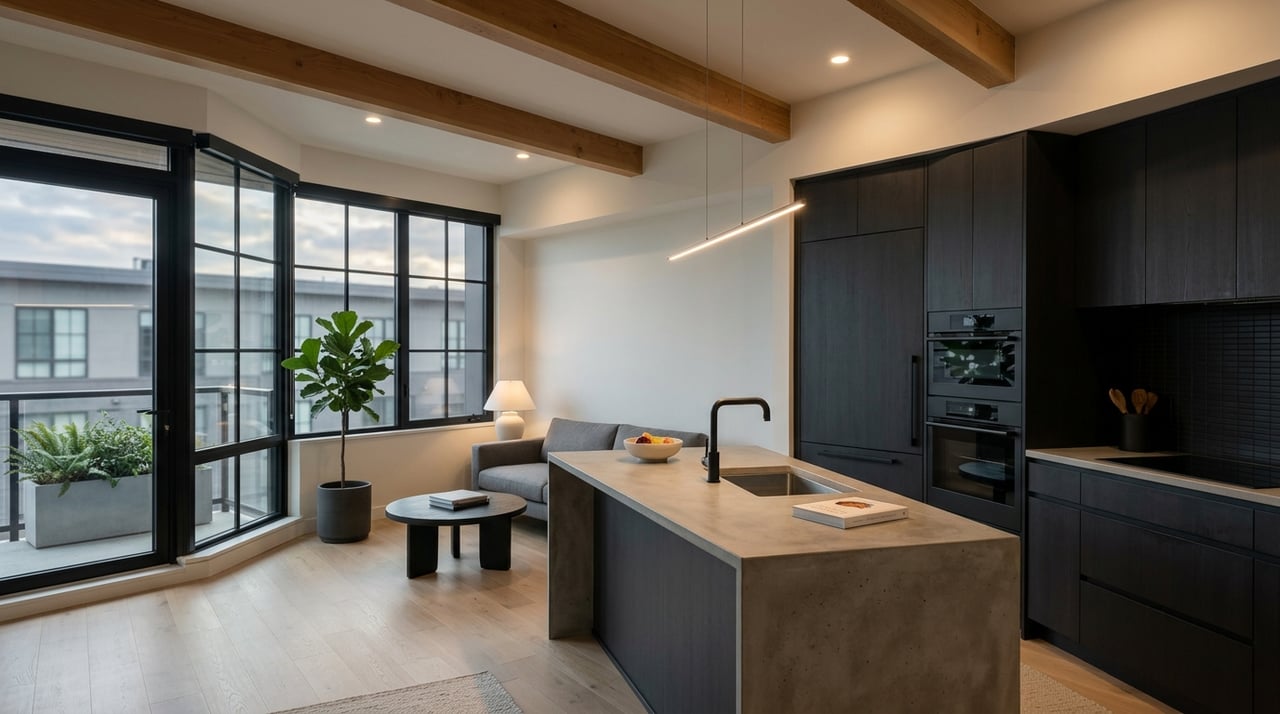
Thinking about leaving behind a larger house for something simpler in Des Moines? You are not alone. For many homeowners, downsizing to a condo is less about giving up space and more about gaining ease, convenience, and a lifestyle that fits this next chapter. If you want a move with fewer surprises, a better handle on monthly costs, and a smoother sale-to-purchase plan, this guide will walk you through what matters most. Let’s dive in.
Why Des Moines Works for Downsizers
Des Moines offers a setting that makes condo living especially appealing. The city sits between Seattle and Tacoma on Puget Sound, with beaches, parks, a marina by downtown, and a population of about 30,000. The city also notes that Highline College and several retirement homes are located here, which adds to its relevance for homeowners looking to simplify.
For many downsizers, the appeal is practical. You may be ready to trade yard work, stairs, and extra rooms for a home that is easier to maintain and better matched to how you live now. In Des Moines, that often comes with access to waterfront amenities and a more walkable daily routine.
The Marina District is a big part of that draw. The area includes the only public marina between Seattle and Tacoma, a 700-slip marina, a 670-foot fishing pier, the Waterfront Farmers Market from June through October, Des Moines Beach Park, and the Des Moines Creek Trail. If you want a lifestyle where you can spend more time enjoying the area and less time caring for a property, that is a strong match.
What Condo Living Looks Like Here
Des Moines has condo options that support a lower-maintenance lifestyle without losing local character. Community names like Whaler's Village Estates and Marina Estates show the range of waterfront and downtown-oriented condo living available in the city. These are useful examples of the kind of setting many downsizers want to explore.
Whaler's Village Estates describes itself as a gated waterfront condo community with 250 feet of private beachfront and close access to the marina, beach park, and business district. Marina Estates describes itself as being in downtown Des Moines in the waterfront town. If your goal is to stay close to daily conveniences and shoreline amenities, these examples help paint a realistic picture.
That said, the right condo is not always the one with the nicest photos or the biggest view. A smooth move usually comes down to how the property fits your day-to-day needs, your budget, and your comfort with the building's rules and finances.
Compare Cost Beyond Price
One of the biggest mistakes downsizers make is focusing only on purchase price. In reality, your monthly carrying cost matters just as much, and sometimes more. A condo that looks affordable at first glance may feel very different once you add HOA dues, taxes, insurance, parking costs, and other regular expenses.
Current pricing in Des Moines shows why condos can be attractive to homeowners leaving detached houses. Redfin reports 24 condos for sale in Des Moines with a median listing price of $340,000 and about 52 days on market. By comparison, Redfin reports a citywide median sale price of $554,500, Zillow places the average Des Moines home value at $612,731 as of March 31, 2026, and Realtor.com reports a median listing price of $565,000 across 79 homes for sale.
Taken together, those numbers suggest condos often sit at a meaningfully lower price point than detached homes in Des Moines. That can free up equity, reduce monthly expenses, or simply make your next move feel more manageable. Still, interest rates remain part of the equation, with Freddie Mac reporting a 30-year fixed average of 6.37% for the week ending May 7, 2026.
Here is the practical takeaway: do not evaluate a condo based on sticker price alone. Instead, compare the full monthly payment and the bigger financial picture after your home sale.
Know the Market Before You Move
Des Moines remains an active market, even if different sources describe it a little differently. Redfin calls the city very competitive and reports about 38 days on market in March 2026. Realtor.com says homes sold for about asking price on average and labels the city a seller's market in March 2026.
Those reports use different methods, but both point to continued demand. That matters if you are planning a two-part move where you sell a larger home and then buy a condo. Timing, pricing, and negotiation strategy can all affect how smooth your transition feels.
King County market context also matters. NWMLS and Seattle King County REALTORS reported a March 2026 median sales price of $859,619 for King County and a 34.9% year-over-year increase in active listings. More inventory can create more choices on the buy side, but it also means your current home still needs sharp pricing and strong presentation.
Prepare Your Current Home to Sell
If you are selling a larger house before moving into a condo, good preparation can lower stress and keep your timeline on track. You want a clear plan for pricing, repairs, disclosure deadlines, and expected proceeds before your home hits the market. That helps you shop for your next place with more confidence.
In Washington, seller disclosure rules are important. For most residential sales, the seller must deliver a completed seller disclosure statement no later than five business days after mutual acceptance unless another arrangement is agreed to. After receiving it, the buyer generally has three business days to rescind.
You also need to budget for taxes and closing costs. Washington charges real estate excise tax on most real property sales, and the state portion is graduated based on the sale price, with any local REET added on top. Usually, the seller pays this tax.
That means your sale price is not the same as your net proceeds. If you are downsizing, the number that matters most is what you actually walk away with after taxes, closing costs, and any mortgage payoff.
Build a Net-Proceeds Plan
A smoother condo move usually starts with a realistic net sheet. Instead of asking, "What can I sell for?" ask, "What will I have left to buy with once everything is paid?" That one shift can make your choices much clearer.
Typical buyer closing costs often run about 2% to 5% of the purchase price before the down payment. Monthly housing costs also include HOA fees, property taxes, insurance, and related expenses. If you put down less than 20%, mortgage insurance can increase your monthly payment too.
For downsizers, this means your plan should account for both sides of the transaction. You need to know what your current home can net, what your next condo will really cost each month, and whether the move improves your financial comfort the way you expect it to.
Review Condo Documents Carefully
Buying a condo in Washington involves more document review than buying many detached homes. That extra review is not just legal paperwork. It is one of the best ways to protect yourself from unpleasant surprises after closing.
Under Washington law, the resale certificate must include important details such as monthly common expenses, unpaid assessments, other fees, anticipated repairs above 5% of the annual budget, reserves, financial statements, the operating budget, legal proceedings, insurance coverage, violations, and whether the association has a current reserve study. The association must provide the certificate within 10 days after the owner's request, and the preparation fee generally may not exceed $275.
The law also gives the purchaser an important protection. The contract is voidable until the resale certificate is delivered and for five days after delivery, or until conveyance, whichever comes first. If the association does not have a current reserve study, the law requires a warning that insufficient reserves can lead to special assessments.
That is why this review deserves real attention. A condo with low dues is not always the better value if the reserves are weak or major repairs are looming.
Ask the Right Condo Questions
As you compare condos in Des Moines, look beyond finishes and floor plans. Your daily comfort often depends on practical details that are easy to miss during a showing. This is especially true if you are moving from a larger home and trying to simplify your routine.
Here are a few smart questions to ask:
- What are the monthly HOA dues?
- Are there any unpaid or upcoming special assessments?
- How strong are the reserves?
- Is there elevator access if needed?
- What parking and storage come with the unit?
- Are there pet rules or occupancy restrictions?
- Are there rental restrictions that could affect future flexibility?
- What insurance does the association carry?
These details can have as much impact on your quality of life as square footage. They also help you compare one condo to another in a more useful way.
Use Timing to Reduce Stress
Downsizing often means coordinating two big events at once. You are selling one property while trying to secure another, all while sorting, packing, and planning a move. The smoother option is usually the one with the clearest timeline.
This is where offer terms matter. Price matters, of course, but so do contingencies, earnest money, and the closing schedule. If you need time to line up your condo purchase or organize the move out of your current home, a flexible closing date can be a major advantage.
All-cash offers can also simplify the sale side for some homeowners because they remove the need for mortgage financing. That can reduce steps between contract and closing, although each deal still needs to be reviewed on its own terms. If speed and certainty matter more to you than a traditional timeline, this can be worth exploring.
For homeowners facing a tighter schedule, AMP Properties Group NW also offers a sell-for-cash option designed for faster closings. That may be useful if your priority is reducing friction and creating a more predictable path into your next home.
Plan the Lifestyle Shift Too
A successful downsize is not just a real estate decision. It is also a lifestyle decision. The best condo move leaves you with a home that feels easier to live in and a location that supports how you want to spend your time.
In Des Moines, that can mean being closer to the waterfront, downtown services, trails, parks, and community events. It can also mean reducing upkeep so you have more room in your schedule for travel, hobbies, or simply a quieter routine. If support services matter to you or a family member, the city's Senior Services page highlights resources such as transportation assistance, Meals on Wheels, SHIBA Medicare counseling, and other aging-support programs.
The key is to define what "simpler" really means for you. For one person, it means fewer stairs. For another, it means lower monthly costs. For someone else, it means being able to lock the door and leave for the weekend without worrying about a yard or ongoing maintenance.
Make Your Des Moines Downsize Smoother
The easiest downsizing moves usually have three things in common: a realistic sale plan, a careful condo review, and a timeline built around your needs. When you understand your likely net proceeds, your true monthly condo costs, and the association documents behind the unit, you can make decisions with a lot more confidence. That is what turns a stressful move into a manageable one.
If you are thinking about downsizing to a condo in Des Moines, the right guidance can help you compare your options clearly and move on a timeline that works for you. Whether you want a traditional sale strategy or a faster cash solution, AMP Properties Group NW can help you map out the next step.
FAQs
What makes Des Moines a good place to downsize to a condo?
- Des Moines offers a waterfront setting, downtown marina amenities, parks, trails, and a lower-maintenance lifestyle that can appeal to homeowners who want to leave behind a larger house.
How much do condos cost in Des Moines compared with houses?
- Redfin reports a median condo listing price of $340,000 in Des Moines, while broader housing figures in the city are notably higher, including a median sale price of $554,500 and a median listing price of $565,000 from other sources.
What condo documents should buyers review in Washington?
- Buyers should review the resale certificate, which can include HOA dues, assessments, reserve information, budget details, insurance coverage, legal issues, violations, and whether the association has a current reserve study.
What costs should homeowners budget for when downsizing to a Des Moines condo?
- You should budget for HOA dues, property taxes, insurance, closing costs, and any mortgage-related expenses, while also estimating your net proceeds from the sale of your current home.
How does selling a house in Washington affect a downsizing plan?
- Washington sellers typically need to provide a seller disclosure statement after mutual acceptance, and most sales also involve real estate excise tax, so your sale timeline and net proceeds should be planned carefully.
Can a cash offer help simplify a downsizing move in Des Moines?
- A cash offer can simplify the sale side by removing mortgage financing from the transaction, and it may help if your goal is a faster, more predictable closing timeline.
