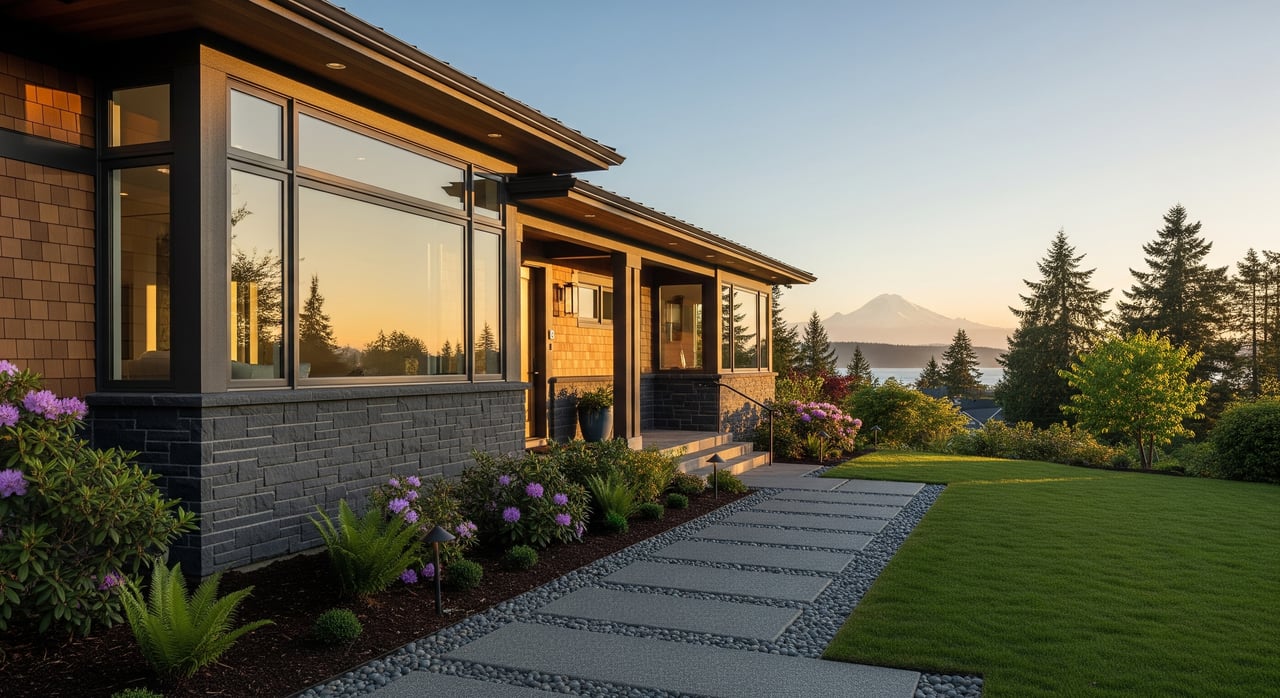
Thinking about selling your Tacoma home but not sure when to pull the trigger? Timing can shape your price, days on market, and how many qualified buyers walk through the door. You want a clear plan that fits Tacoma’s seasons, JBLM relocation cycles, and your personal timeline. In this guide, you’ll learn when the market is usually most active, what local factors can override the calendar, and how to prep your home for a strong result. Let’s dive in.
What “best time” really means in Tacoma
You often hear that spring is best. In the Puget Sound region, that tends to be true because warmer weather, longer daylight, and school-year schedules bring more buyers out between March and June. Late summer and early fall can stay active too, while winters usually see fewer listings and fewer buyers.
Those are tendencies, not rules. Mortgage rates, inventory, and local employment shifts can strengthen or weaken any season. In a tight market with low months-of-inventory, you can list successfully nearly any time if you price and present well.
Tacoma seasonality at a glance
Spring to early summer (Mar–Jun)
- Pros: Largest buyer pool, better curb appeal, longer days for showings, many households aim to move before a new school year.
- Cons: More competing listings, so you need sharper pricing and standout presentation.
Summer (Jul–Aug)
- Pros: Still active, military relocation flows often peak, and serious buyers keep shopping.
- Cons: Vacations can slow weekend traffic in spots, and some buyers push decisions to early fall.
Early fall (Sep–Oct)
- Pros: Leaner inventory than spring in many years, and remaining buyers are often motivated to close before holidays.
- Cons: Weather can turn, daylight shortens, and the window before winter tightens.
Winter and holidays (Nov–Feb)
- Pros: Less seller competition and more serious buyers who need to move for work or life changes.
- Cons: Lower overall traffic, holiday distractions, and curb appeal is harder in wet, dark months.
When timing matters less
- Low inventory seller’s markets: If months-of-inventory is very low, strong demand can outweigh seasonal norms.
- Local demand spikes: Military transfer orders tied to Joint Base Lewis–McChord, employer hiring, or infrastructure announcements can create short, favorable windows even in off-peak months.
Local drivers to watch
Inventory and months-of-supply
Watch new listings, active listings, and months-of-inventory for Tacoma and your specific neighborhood. Lower MOI tilts the table toward sellers, while higher MOI gives buyers more leverage. Neighborhood snapshots can differ from citywide averages, so keep it local.
Mortgage rates and affordability
Rate swings influence how many buyers can afford your price point. Rapid increases can cool activity, even in spring. A dip can expand the buyer pool in any season. If rates are volatile, use pricing and incentives that fit your segment.
Employment and relocation
JBLM is a major driver near Lakewood and south Tacoma, with PCS cycles that often concentrate activity in summer. The Port of Tacoma, logistics, healthcare, education, and utilities also shape demand. Hiring waves or layoffs can change the temperature of the market quickly.
Neighborhood-level differences
Waterfront and higher-end areas around Commencement Bay often require longer marketing windows and see more touring in spring and summer. Downtown condos can draw year-round interest from urban buyers, downsizers, and investors. Suburban neighborhoods like Lakewood, Spanaway, and Parkland are more tied to the school calendar.
Neighborhood and property-type nuances
Downtown Tacoma and condos
- Buyer flow is more even across the year.
- Prepare HOA documents and board responses early so timelines are not delayed.
- Emphasize walkability, transit access, and nearby amenities in your marketing.
Family-oriented suburbs
- Demand often peaks in spring as households try to move before the next school year.
- Highlight functional spaces, yards, storage, and flexible rooms that appeal to everyday living.
Luxury and waterfront
- Out-of-area buyers tour more in spring and summer.
- Expect a longer runway and consider scheduling premium photography and video in the clearest months.
New construction competition
- Builders commonly launch more inventory in spring and summer.
- If a nearby community is releasing lots or models, adjust your pricing and marketing to differentiate.
Plan your listing timeline
A smooth sale starts 6 to 12 weeks before you go live.
6–12 weeks before listing
- Get a pre-listing market analysis and a go-to-market plan.
- Schedule repairs, deep cleaning, and decluttering. Pre-book professional photography for a clear, dry day.
- Tackle exterior maintenance that shows in photos: moss removal, gutter cleaning, touch-up paint, and power washing.
2–4 weeks before listing
- Finalize pricing, disclosures, and a staging plan. Consider a pre-inspection if it fits your strategy.
- Tighten up landscaping, lighting, and minor cosmetic updates that pop in photos.
- Prepare HOA materials if selling a condo or townhome.
Week of listing
- Freshen up curb appeal and confirm showings and open house schedules.
- Double-check mortgage payoff info and your ideal closing window.
- Launch with high-impact marketing on day one to capture early momentum.
Price and present for the season
Spring and early summer
- Competitive pricing can spark multiple offers when buyer traffic is high.
- Lean into outdoor spaces, fresh plantings, and long daylight for showings.
Mid to late summer
- Emphasize move-in readiness for military and relocation buyers on tight timelines.
- Be flexible with touring hours to catch motivated shoppers working around vacations.
Early fall
- Focus on urgency with clear target closing dates before holidays.
- Keep exteriors tidy as leaves fall and days get shorter.
Winter
- Invest in strong interior staging and lighting. Virtual tours and video can offset lower foot traffic.
- Price with patience in mind and plan for weather-related scheduling.
Staging for Tacoma’s climate
- Exterior care: Clear moss from walkways, clean gutters, and refresh paint or siding so moisture does not dull your curb appeal.
- Landscaping: Use evergreen cleanup and add seasonal color during listing photos.
- Interior comfort: Highlight energy-efficient features like insulation, quality windows, heat pumps, and gas fireplaces that matter in our climate.
- Photography: Aim for clear, dry days and use professional lighting to avoid dark, flat images.
If you need to sell in winter
You can still win in the off-season with the right plan.
- Prioritize interior warmth, lighting, and spotless presentation.
- Use high-quality photos, video, and virtual open houses to widen exposure.
- Be realistic on timeline and price, then negotiate firmly with motivated buyers.
- Keep walkways safe and well lit to encourage showings on wet or dark days.
Special timing cases
Households with school-aged children
Try to align closing and move dates with school breaks if you want to settle before a new term. If that is not possible, aim for a flexible closing that minimizes disruption.
Military timelines
If you are tied to PCS dates, plan a launch that captures the highest number of active buyers during your window. Prepare for fast negotiations and a tight closing schedule.
Investors and 1031 exchanges
Work backward from exchange deadlines. Choose a listing window that supports your identification and closing timelines, and keep an eye on seasonal inventory swings for replacement properties.
What to check before you list
Look at current, local data rather than relying only on the calendar.
- Median sale price trends month by month.
- New listings, active listings, and months-of-inventory for Tacoma and your neighborhood.
- Median days on market and recent changes by price band.
- Sale-to-list price ratio to gauge bidding pressure.
- Pending and closed sales volume across recent months.
- Mortgage rate environment and buyer affordability.
- Local employment updates that could alter demand.
Trusted local sources include the Northwest Multiple Listing Service, the Tacoma-Pierce County Association of Realtors, Pierce County public records, and state or federal labor data. Before you choose dates, review the latest monthly report so your plan fits today’s market.
Bottom line
In Tacoma, spring through early summer usually brings the largest buyer pool, but that is only part of the story. Your best timing depends on inventory, mortgage rates, neighborhood dynamics, and your personal goals. With 6 to 12 weeks of preparation and a plan tailored to your property type, you can maximize results in any season.
Ready to choose the best window and execute with confidence? Connect with AMP Properties Group NW for a local pricing strategy, an instant home valuation, or our fast cash-offer option if you need speed. Get an Instant Home Valuation or Sell Fast for Cash.
FAQs
Is spring always the best time to sell a home in Tacoma?
- Often yes for activity, but inventory levels and mortgage rates can be more important than the month itself. Make timing decisions based on current local data.
How do JBLM military relocations affect Tacoma home sales?
- PCS cycles can boost summer demand, especially near Lakewood and south Tacoma. If you can, align your launch with those windows for added buyer traffic.
Should I wait for mortgage rates to drop before listing in Tacoma?
- Rates matter for buyer affordability, but waiting can be risky. If your timeline is fixed, price and market to today’s conditions rather than chasing uncertain rate moves.
What if I need to sell my Tacoma home in winter?
- You will face fewer competing listings and more motivated buyers. Lean on strong interior staging, great lighting, and realistic pricing.
How far in advance should I prepare my Tacoma home to list?
- Start 6 to 12 weeks ahead for repairs, cleaning, staging, photography, and pricing. This timeline helps you hit peak presentation in any season.
Do condos and single-family homes in Tacoma follow the same timing?
- Not always. Downtown condos can sell year-round, while suburban single-family homes often see peak demand in spring and early summer.
